Floor Guide to Polished Cement Floors in Dallas–Fort Worth (Commercial & More)
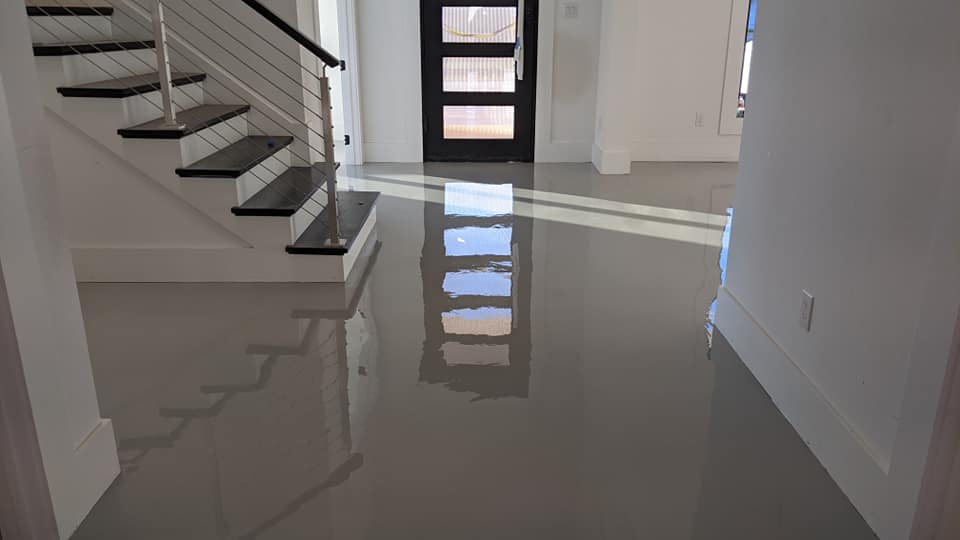
A polished cement floor can be a smart upgrade for Dallas–Fort Worth businesses that want a clean, modern look with a surface that’s easier to maintain than untreated concrete. The key is choosing the right finish level and understanding when polished cement is the better option—and when commercial coatings may be the smarter fit.
This guide breaks it down in plain English and helps you plan your project with FDC Coatings.
What Polished Cement Floors Are
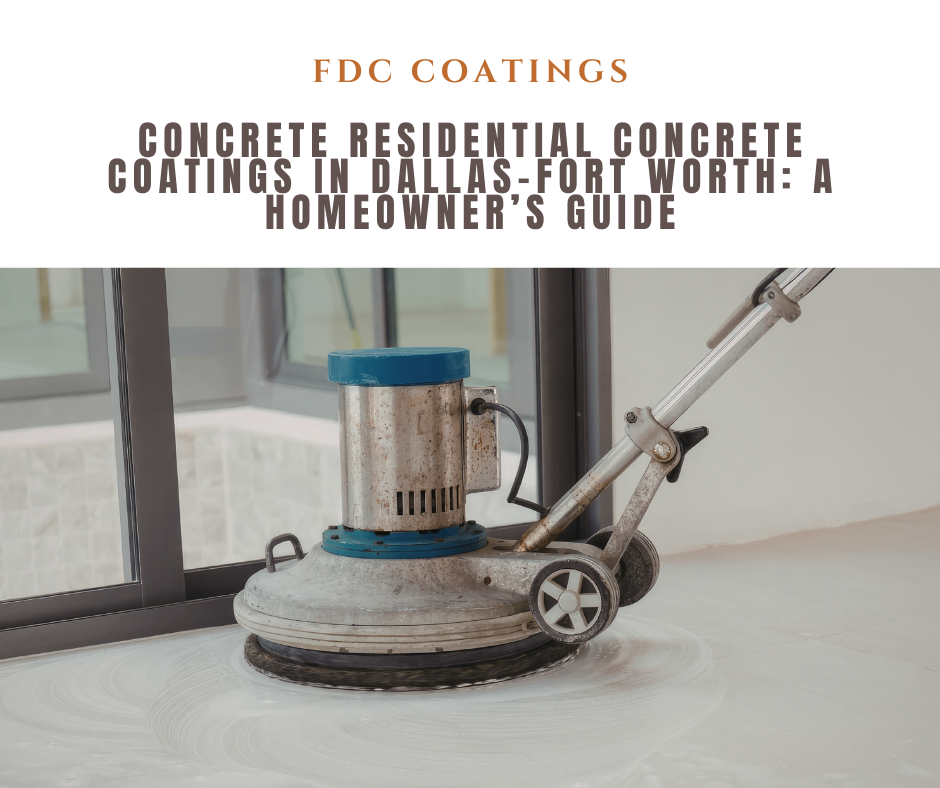
Polished cement floors are concrete surfaces refined through mechanical grinding and polishing. The process can include:
- Surface prep (to remove old coatings or uneven areas)
- Grinding steps (to smooth and open the slab)
- Densifying (to help harden the surface, when appropriate)
- Polishing (to achieve the desired sheen level)
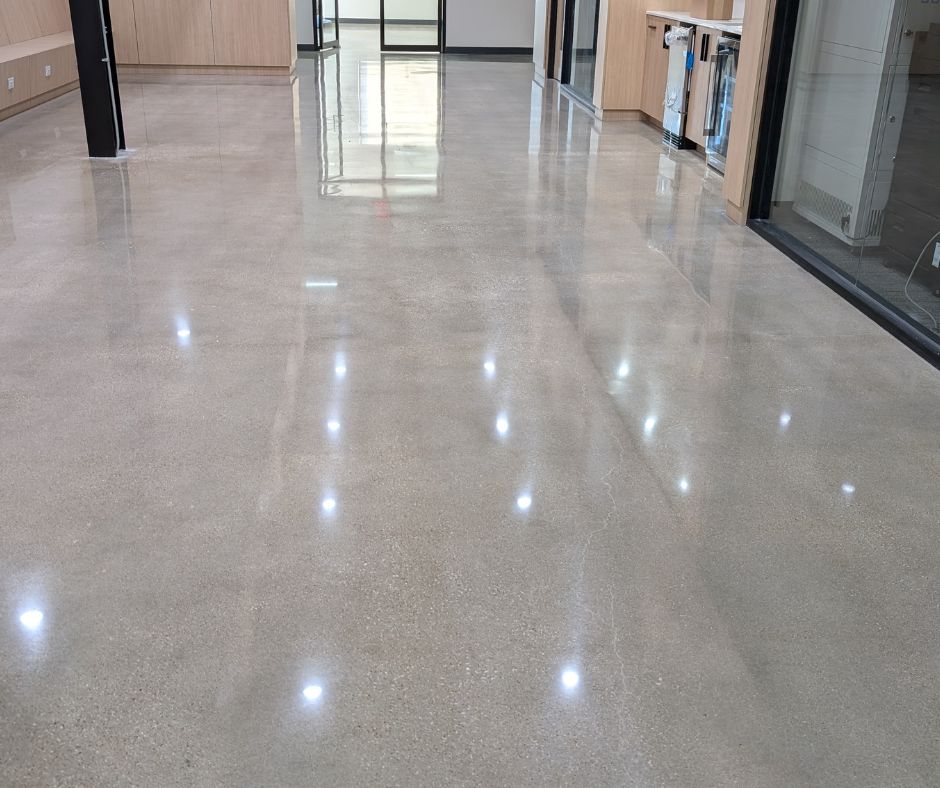
The result is a smoother, more uniform cement surface that can fit both commercial and residential spaces.
Floor Performance Benefits for Commercial Spaces
For many commercial environments, a polished cement floor is chosen for practical reasons, including:
- A clean, professional appearance in customer-facing areas
- Simplified routine cleaning compared with bare concrete
- Less dusting than untreated cement surfaces (condition-dependent)
- Better light reflectivity in brighter finishes (helpful for visibility)
It’s still important to match expectations to the slab you have—existing cracks, patches, and stains can influence the final look.
Polished Cement Floors vs. Commercial Coatings
Polished cement is not the same as a coating system. Here’s a quick comparison:
| Option | Best for | Main advantages | Considerations |
| Polished cement | Many commercial interiors, modern aesthetics | Smooth, refined look; simple cleaning | Final appearance depends on slab condition |
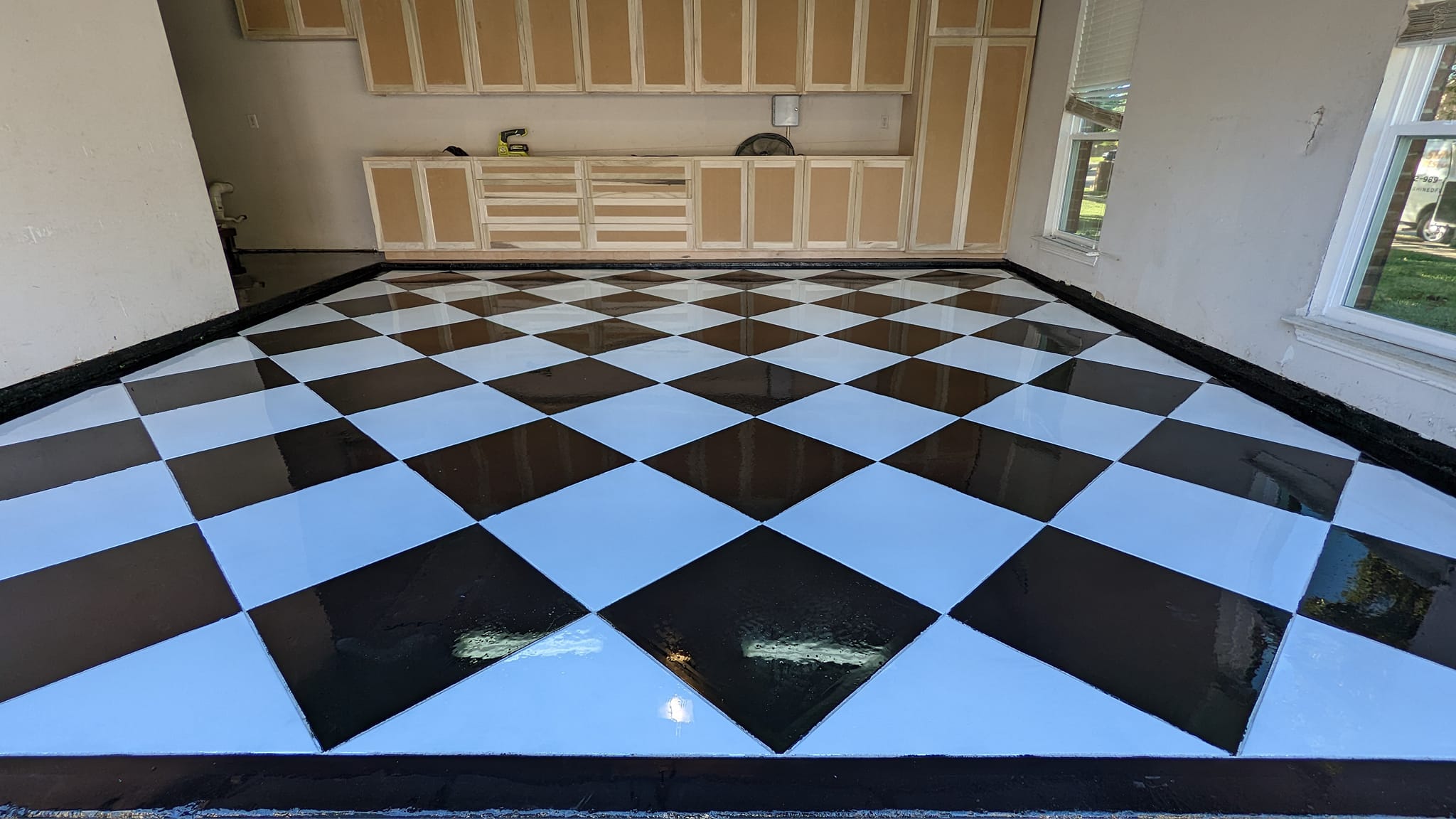
| Commercial coatings (epoxy/other systems) | Areas needing a built-up protective layer | Seamless coating options; design flexibility; performance tailoring | Prep + system selection are critical |
| Sealers/topcoats | Light-duty protection or aesthetic refresh | Adds a protective layer and can enhance appearance | Not the same as thicker coating systems |
If your space has frequent chemical exposure, heavy equipment traffic, or strict slip-resistance requirements, FDC Coatings can recommend whether polished cement or a coating system is the better match.
Where Polished Cement Works Best in DFW
Polished cement floors are commonly used in:
- Retail stores & showrooms
- Restaurants (front-of-house areas)
- Office lobbies & hallways
- Gyms & studios
- Warehouses with light-to-moderate interior traffic
- Commercial spaces aiming for a modern industrial look
For exterior slabs or areas with constant moisture, special planning is needed and polished cement may not be the first recommendation.
How to Choose the Right Finish Level
The “best” finish is the one that fits your space and maintenance style. When selecting a polished cement floor, consider:
- Matte / low sheen: hides minor marks better, softer look
- Medium sheen: balanced appearance and reflectivity
- High sheen: bright, glossy look that can highlight slab character
Also decide whether you want a more “natural cement” appearance or a more uniform look. FDC Coatings can walk you through realistic outcomes based on your existing concrete.
Installation Basics: What to Expect
A typical polished cement floor project may include:
- Site evaluation (slab condition, traffic, timeline)
- Preparation (removing old coatings, patching, leveling as needed)
- Grinding & polishing sequence
- Densifier application (when appropriate for the system)
- Final polish + detailing
Scheduling depends on the area size, the slab condition, and whether the space needs phased work to keep operations running.
Maintenance Tips for a Cleaner Cement Floor
Good maintenance protects your finish and keeps the floor looking consistent:
- Use dust mops or soft pads to reduce grit
- Clean with neutral cleaners appropriate for concrete floors
- Place walk-off mats at entrances to reduce tracked debris
- Wipe spills promptly (especially oils or harsh cleaners)
- Avoid overly aggressive degreasers unless approved for your finish
If your business needs higher traction, ask about finish levels and options that support slip resistance.
Polished Cement Floors FAQ
1) Are polished cement floors the same as polished concrete?
They’re often used interchangeably in everyday language. The final result depends on the slab, the grinding/polishing steps, and the products used.
2) Will cracks and stains disappear after polishing?
Polishing can improve overall uniformity, but existing cracks, patches, and some staining may still be visible. Repairs can help, and expectations should be set during the site evaluation.
3) Is polished cement a good option for commercial spaces?
It can be, especially for interiors where a clean, modern look and simpler maintenance are priorities. For heavy chemical exposure or specialized performance needs, commercial coatings may be a better fit.
4) How do I keep a polished cement floor looking good?
Routine cleaning, grit control (mats), and using appropriate cleaners make the biggest difference. FDC Coatings can provide care recommendations based on your finish.
A polished cement floor is a strong option for many Dallas–Fort Worth businesses looking for a modern finish that’s practical to maintain. The right choice depends on your slab condition, traffic, and whether you need a coating system for added protection.
Thinking about polished cement floors or commercial coatings in DFW?
Contact FDC Coatings to discuss your space and get a recommendation that fits your facility, timeline, and finish goals.