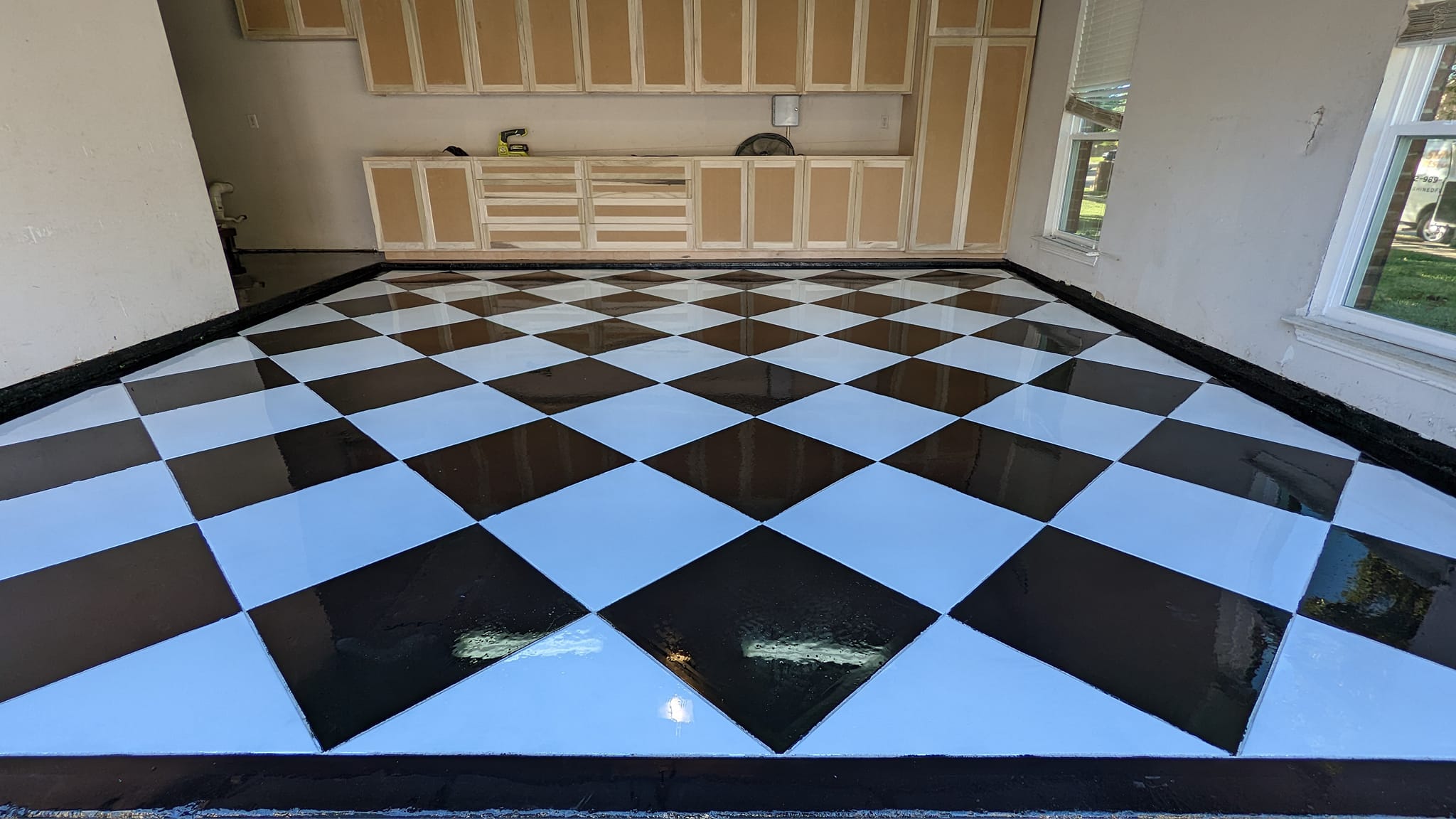
If you are weighing a new garage or shop floor in Dallas-Fort Worth, the choice almost always comes down to two coating systems: polyaspartic and epoxy. Both create a hard, attractive, easy-to-clean surface over bare concrete. But they cure differently, handle Texas heat differently, and fit different budgets and timelines. Here is a straight comparison from the crew at FDC Coatings, a family-owned Flower Mound contractor that has installed both systems across DFW since 2009.
Epoxy and polyaspartic, in plain terms
Epoxy is a two-part resin and hardener that bonds to prepared concrete and cures into a thick, rigid film. It has been the workhorse garage-floor coating for decades because it is durable and cost-effective. Polyaspartic is a newer polyurea-based coating that cures far faster, stays flexible, and resists UV yellowing. Many of the best floors we install in North Texas actually use both: an epoxy base coat for build and adhesion, topped with a polyaspartic layer for speed and sun resistance.
Cure time: one day vs. several
This is the biggest practical difference. A full polyaspartic floor coating can be installed and back in service in about 24 hours — you can often park on it the next day. A traditional epoxy coating needs several days of cure before it tolerates foot traffic and vehicle weight, and humidity can stretch that further. If you cannot give up your garage for most of a week, polyaspartic is usually the answer.
Texas heat and UV
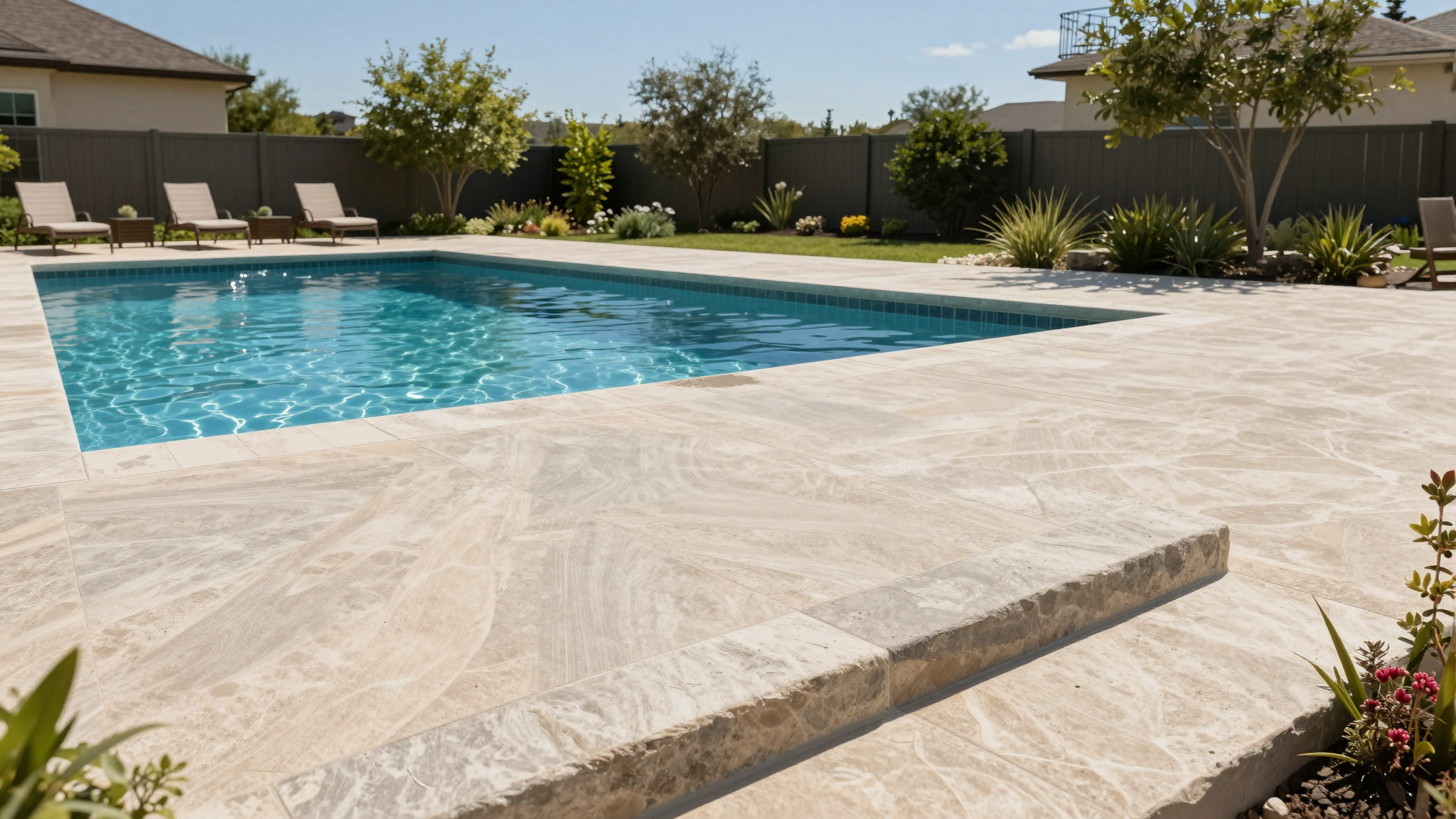
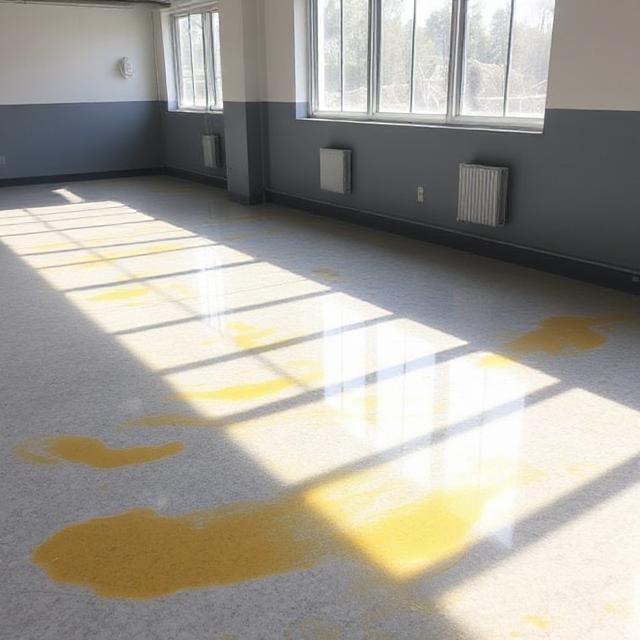
DFW summers are punishing, and a lot of garages here are uninsulated. Standard epoxy can amber (yellow) and soften under prolonged UV and high slab temperatures, which is why an exposed epoxy floor near a sunny garage door sometimes discolors over time. Polyaspartic is UV-stable, so it holds its color in direct sun and on patios, pool decks, and entryways that bake all afternoon. For any surface that sees real sunlight, the polyaspartic topcoat earns its keep in North Texas.
Durability and daily wear
Both systems are tougher than bare or painted concrete. Epoxy’s rigidity gives it excellent impact and compression strength — good under heavy shelving or a vehicle on a jack. Polyaspartic’s slight flexibility helps it resist chipping, scratching, and hot-tire pickup, the curse of cheaper DIY garage kits. Either way, the real determinant of how long a floor lasts is surface prep. We diamond-grind the slab and repair cracks before any coating goes down; skipping that step is the number-one reason coatings peel.
Chemical and stain resistance
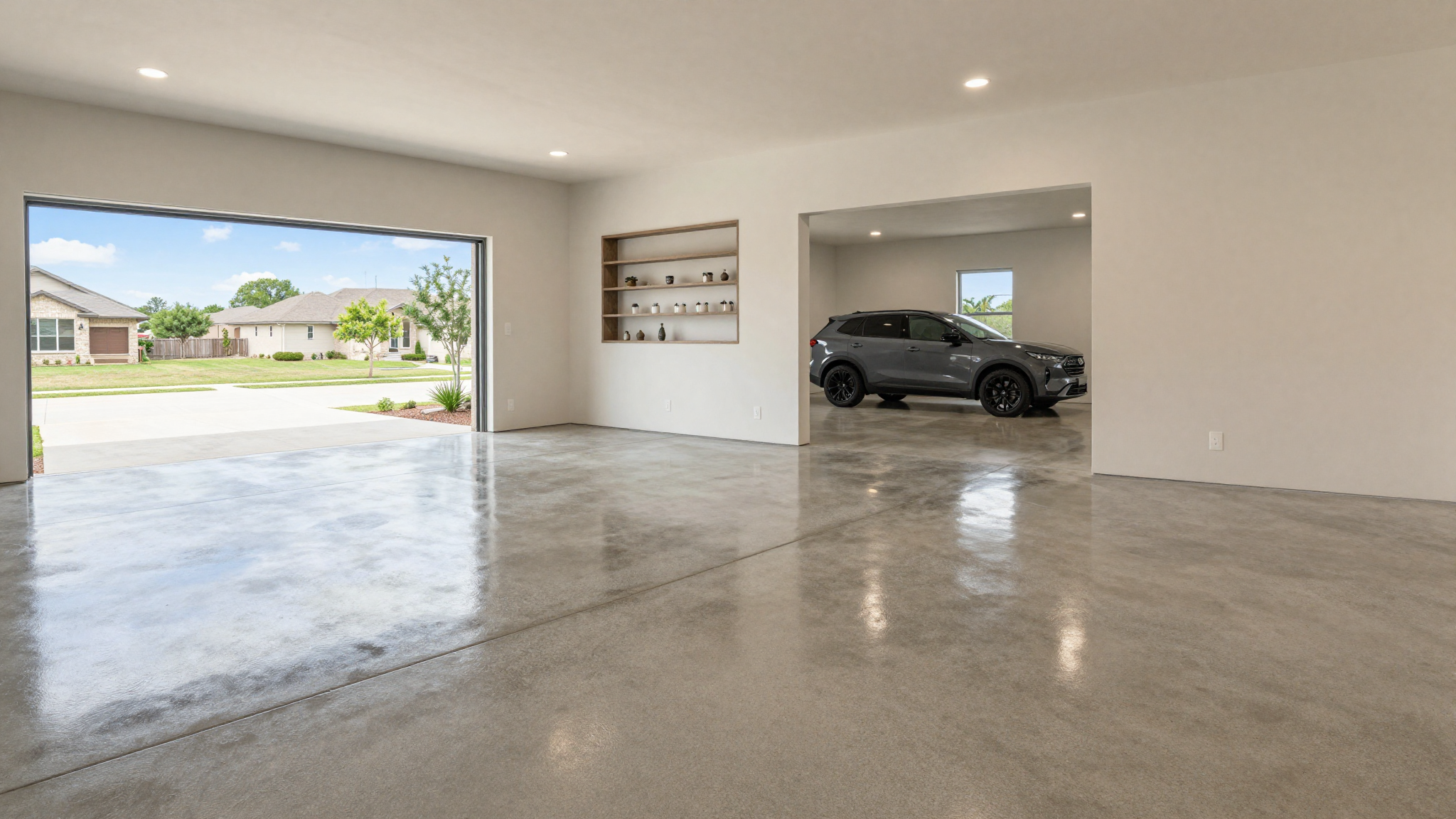
Oil, brake fluid, fertilizer, road salt brought home in winter — a garage floor takes abuse. Both coatings shrug off most of it and wipe clean with a mop. Epoxy has a slight edge against certain harsh solvents, which is why some industrial and commercial floors still use a thick epoxy build. For a typical DFW home garage, workshop, or showroom, a polyaspartic topcoat over an epoxy base gives you the best of both: chemical resistance plus a fast, sun-stable finish.
Cost: what actually drives the price
Epoxy generally costs less per square foot in materials, so an epoxy-only floor is the lower upfront number. Polyaspartic material costs more and cures so fast that it demands an experienced crew. But the gap narrows once you factor in labor and downtime: polyaspartic’s one-day turnaround means less disruption, and its UV stability can mean fewer recoats over the years. The honest answer is that price depends on slab size, condition, prep needed, and the finish you want — which is why we quote every garage floor coating on-site rather than over the phone.
Living with a coated floor
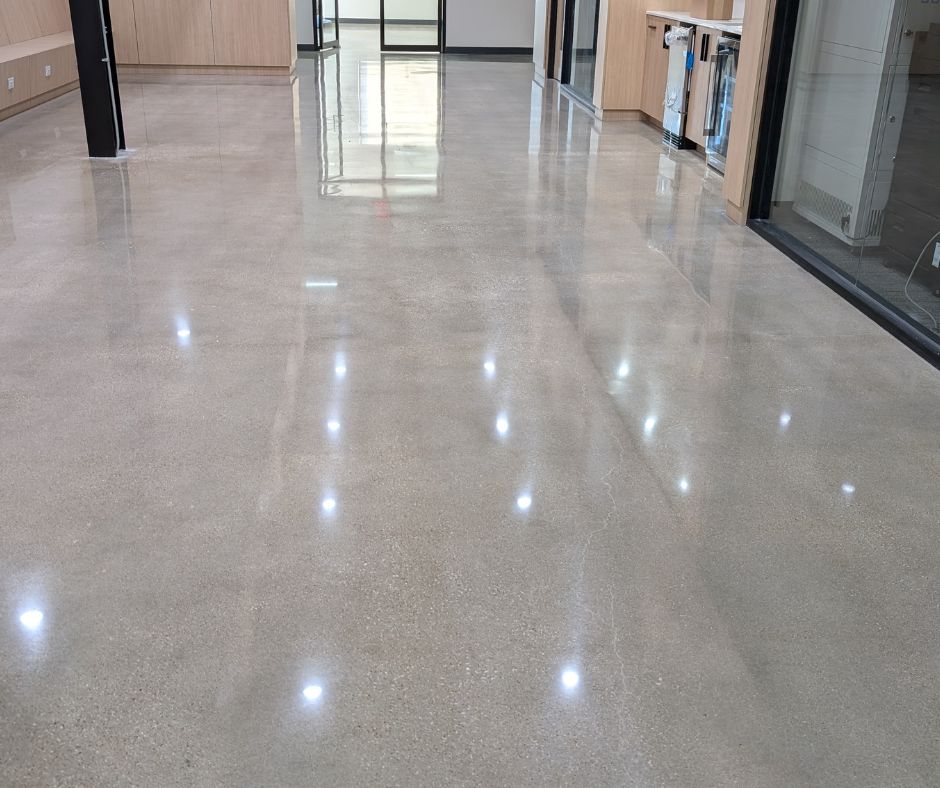
One reason homeowners upgrade from bare or painted concrete is how little upkeep a real coating needs. Both epoxy and polyaspartic seal the porous slab so dust, oil, and moisture sit on top instead of soaking in. Day to day, a dust mop and the occasional damp mop is all it takes; for stubborn spots, a soft brush and mild cleaner. There is no waxing, no resealing every season, and no flaking the way a hardware-store paint kit flakes within a year or two. On a properly prepped slab, a professional polyaspartic or epoxy floor in DFW routinely holds up for a decade or more of normal garage use, which is what makes the upfront investment pay off.
Which should you choose?
- Choose polyaspartic if you need the floor back fast, the space gets direct sun, or you want maximum color retention.
- Choose epoxy if budget is the priority and the floor is shaded, indoors, or under heavy static loads.
- Choose a hybrid (epoxy base + polyaspartic top) for the most durable, best-looking result — what we recommend for most DFW garages.
Get a straight answer for your floor
Every slab is different, and the right system depends on how you use the space. FDC Coatings has coated garages, shops, patios, and commercial floors across Flower Mound, Frisco, Plano, Southlake, and the wider DFW metro since 2009. We will look at your concrete, talk through your goals, and give you an honest recommendation — no pressure.
Request a free on-site estimate or call us at 214-584-4480 to find out whether polyaspartic, epoxy, or a hybrid system is right for your DFW floor.